
Apr 20, 2026 · Scott Richey · 5 min read
European Butter Blocks vs American Sticks: The 250g vs 113g Problem
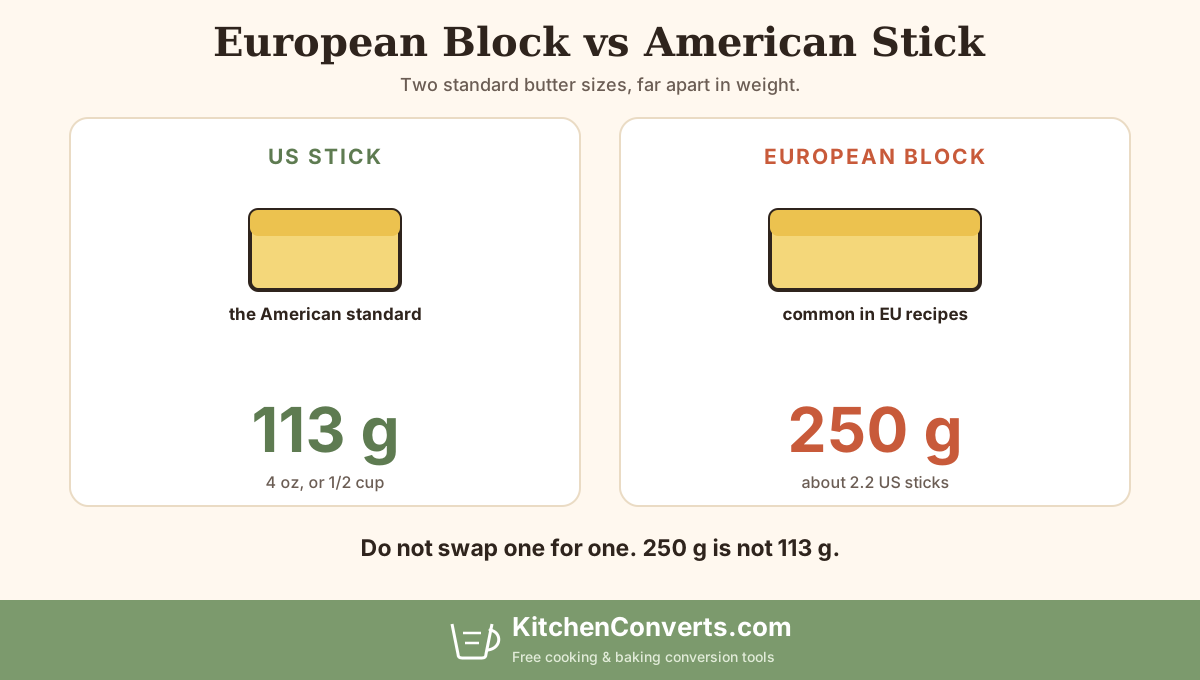
Your recipe says "2 sticks of butter." You opened the fridge and found a 250-gram block of European butter. They look about the same size. They are not. Using the whole block adds 24 extra grams, which sounds like nothing until you taste the cookies.
Why the sizes are different
US butter is sold in 1-pound packages of four sticks. Each stick is a quarter pound, or 4 ounces, or 113 grams. The factories chose this shape in the early 1900s and it stuck. Every American recipe assumes it.
European butter comes in blocks, not sticks. Most common sizes: 250 grams (Germany, France, Spain), 200 grams (some UK), or 227 grams (Irish, same as 2 US sticks). The dairy industry there standardized around metric weights long before the US dairy aisle changed.
Quick conversion table
- 1 US stick = 113 g = 1/2 cup = 8 tablespoons
- 2 US sticks = 226 g = 1 cup = 16 tablespoons
- 1 European 200 g block = 1.77 US sticks (cut 27 g to make 1.5 sticks)
- 1 European 250 g block = 2.21 US sticks (cut 24 g to make 2 sticks)
- 1 Irish 227 g block = 2.01 US sticks (use the whole block for "2 sticks")
- 1 European 500 g block = 4.42 US sticks (cut 47 g to make 4 sticks)
The butterfat difference (and when it matters)
EU regulations require a minimum of 82 percent butterfat. US standard butter is 80 percent. The extra 2 percent is mostly less water. Water becomes steam in the oven, and steam matters for puff pastry, croissants, and pie crusts.
- Cookies: barely noticeable. European butter spreads a bit less.
- Cakes: small change in tenderness. Most home bakers will not tell.
- Pie crust: noticeable. European butter gives flakier layers.
- Croissants and puff pastry: significant. European butter is the better choice.
- Buttercream: smoother and richer with European butter.
When to spend the extra money
European-style butter costs 50 to 100 percent more than standard American butter. The premium is worth it for laminated doughs (croissants, danish, puff pastry), butter-forward cookies (shortbread, sablés), and the buttercream on a layer cake. For everything else, regular American butter does the same job at half the price.
Salted vs unsalted, while we are here
American recipes default to unsalted butter unless they say otherwise, so the recipe controls the salt. European butter is often sold lightly salted as the default. Check the wrapper. If you only have salted butter, reduce the recipe's added salt by 1/4 teaspoon per stick.
Switch between sticks, tablespoons, cups, grams, ounces, and pounds.
Sources
Related posts
- The 250 ml Cup Is Not the US Cup (Australian Recipe Gotcha)
An Australian metric cup is 250 ml. A US cup is 236.59 ml. The 6 percent gap can ruin a small-batch cake. Here is what to watch for.
- High-Altitude Baking: How Cup and Gram Conversions Change Above 3,000 Feet
Above 3,000 feet, the same recipe that worked at sea level falls flat, runs over the pan, or comes out dry. Lower air pressure changes how flour behaves, how leavening works, and how liquids evaporate. Here is exactly what to change and by how much.
- Why Your Kitchen Scale and Measuring Cup Disagree
You measured 1 cup of flour, then weighed it. The scale showed 145 grams. Your recipe wanted 120. Both tools are right. The cup just held more than the recipe expected.
- How to Read a Metric Recipe When You Only Have US Cups
European and Australian recipes give grams and milliliters. US cookware gives cups and tablespoons. Here is the cheat sheet to translate without ruining the recipe.
¿Leer en español? Ver esta publicación.