
May 14, 2026 · Scott Richey · 4 min read
Why Your Kitchen Scale and Measuring Cup Disagree
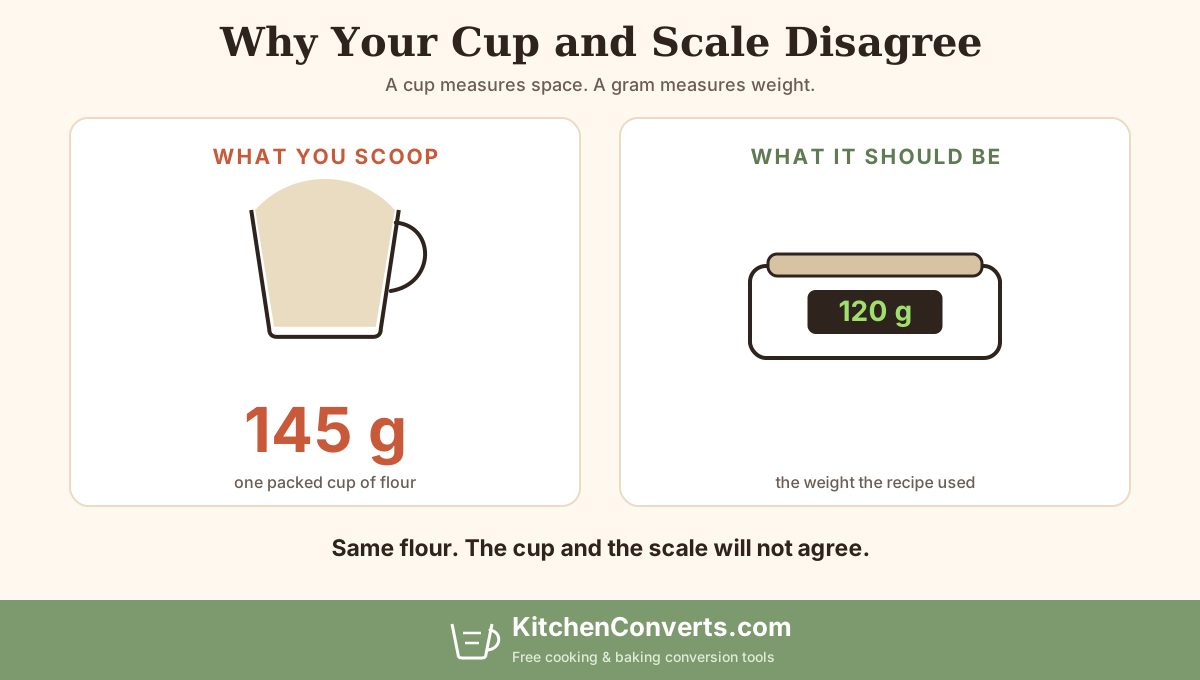
You measured 1 cup of flour. You put it on the scale to double-check. The scale showed 145 grams. The recipe wanted 120 grams. Neither tool is broken. Both are telling the truth. The two-number gap is the whole problem with cup measurement.
Why two cups of the same thing weigh differently
Three things change what your cup of flour (or sugar, oats, cocoa) actually weighs:
- How you scoop. Dipping the cup straight into the bag packs the food in tight, adding 10 to 25 percent more than spooning gently.
- How settled the food is. A bag of flour that just got shaken in the car packs denser than one that sat still for a week.
- Humidity. Flour, cocoa, and brown sugar all absorb moisture from the air. The same cup weighs more on a wet day.
Which weight number is "right"?
Whichever weight the recipe writer used. King Arthur Baking publishes 120 grams per cup of all-purpose flour. America's Test Kitchen publishes 142. Both are correct for their own kitchens; they just measure differently. When in doubt, check the recipe site for an ingredient weight chart.
When the gap matters and when it does not
Does not matter
- Soups, stews, and sauces. A spoonful of variance disappears in a pot.
- Rice and pasta. The cooking water absorbs the difference.
- Stir-fries and casual cooking. Taste, do not measure.
Matters a lot
- Cookies. A 20-gram flour mistake turns soft cookies into hockey pucks.
- Cakes. Too much flour kills the rise. The cake comes out short and dry.
- Bread. Hydration percentages matter. Off-weight flour throws off the dough.
- Pastry. The fat-to-flour ratio decides flakiness.
The fastest way to fix the gap
A digital kitchen scale. Around $20, lasts years, ends the argument. Set the bowl on the scale, hit tare, pour until you see the right number. No scooping technique, no settling, no humidity worry. The scale is the single biggest accuracy upgrade you can make in the kitchen.
If you do not want a scale
Use the spoon-and-level method consistently. Fluff the flour in the bag first, spoon it into the cup, level with a knife. Do not tap or settle. Same method every time. You will still be a few percent off the recipe writer's intent, but at least your own bakes will be consistent batch to batch.
See the recipe weights for any common food, by cup.
Sources
Related posts
- Wet vs Dry Measuring Cups: When the Difference Actually Matters
A wet measuring cup and a dry measuring cup hold the same volume. They are not the same tool. Using the wrong one for baking will throw off the recipe.
- High-Altitude Baking: How Cup and Gram Conversions Change Above 3,000 Feet
Above 3,000 feet, the same recipe that worked at sea level falls flat, runs over the pan, or comes out dry. Lower air pressure changes how flour behaves, how leavening works, and how liquids evaporate. Here is exactly what to change and by how much.
- How to Measure Sticky Honey Without Losing Half in the Cup
Honey clings to the cup. You can lose 10 percent before it makes it into your bowl. A thin oil coating fixes it. Weighing fixes it better.
- Yeast: Why 1 Packet Is Not 1 Tablespoon
A standard packet of yeast is 7 grams or about 2 and 1/4 teaspoons. That is 3/4 of a tablespoon, not a full one. Using a full tablespoon adds 33 percent more yeast.
¿Leer en español? Ver esta publicación.