Apr 25, 2026 · Scott Richey · 5 min read
Imperial Cup vs Metric Cup vs US Cup: Which Does Your Recipe Mean?
"1 cup of flour." The same three words appear in cookbooks all over the world. They mean different amounts of flour depending on where the cookbook was written. Some recipes survive the gap. Some do not.
The full list of cup sizes that exist
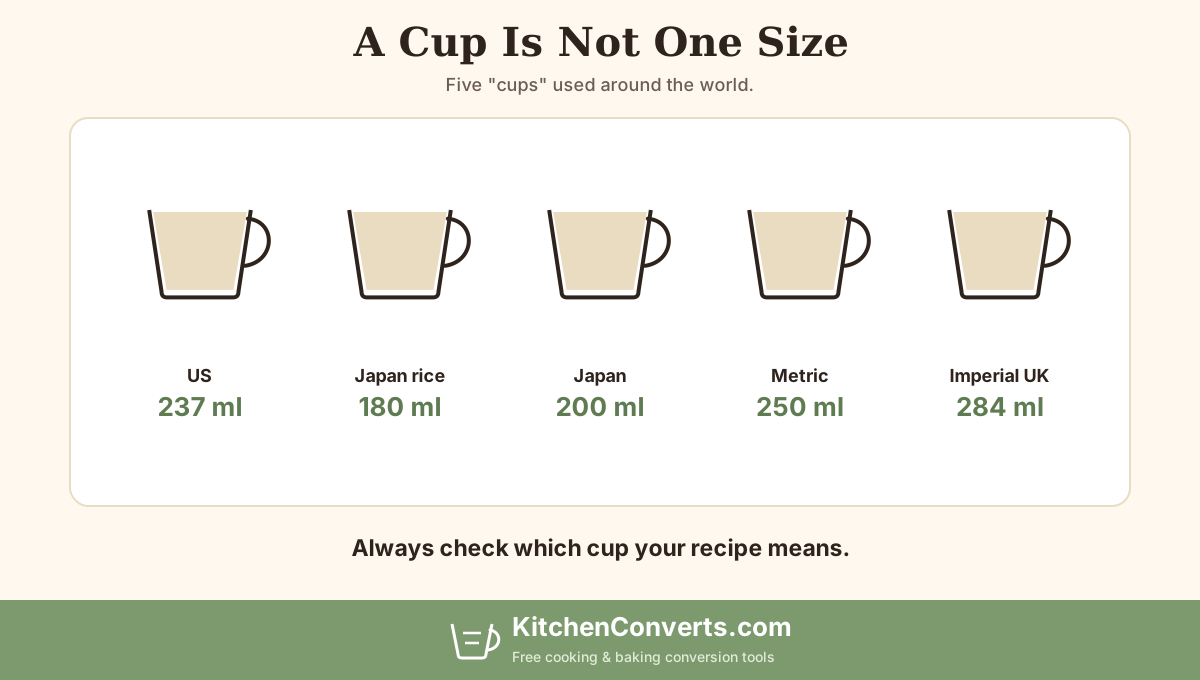
- US customary cup: 236.59 ml (the actual standard; often rounded to 240).
- Metric cup (Australia, Canada, New Zealand, most of Europe): 250 ml.
- UK imperial cup, pre-1971: 284.13 ml. Rare in modern recipes.
- Japanese rice cup: 180 ml. Used specifically for rice cookers.
- Japanese cooking cup: 200 ml. Used in general Japanese recipes.
- Latin America: varies; most modern recipes use 240 ml or skip cups for metric.
How to tell which cup your recipe means
- Country of origin. US sites, US books, US TV: 236.59 ml. Australian/Canadian/NZ sites: 250 ml. UK modern recipes: usually grams instead of cups.
- Domain. .com, .net, and major US sites = US cup. .com.au, .co.nz, .ca = metric cup. .co.uk = often grams.
- Publication date. Old British cookbooks (1971 and earlier) use the imperial cup. Modern UK recipes do not.
- Side-by-side grams. If a recipe lists both cups and grams, the grams settle the question. Use them.
- Spoon size. Australian tablespoons are 20 ml (4 teaspoons). US and UK tablespoons are 15 ml (3 teaspoons). If the recipe uses an Australian tablespoon, it likely uses the Australian cup too.
Quick conversion guide
- 1 US cup = 0.95 metric cup = 0.83 imperial cup
- 1 metric cup = 1.06 US cups = 0.88 imperial cup
- 1 imperial cup = 1.20 US cups = 1.14 metric cup
- If a recipe calls for 1 metric cup and you only have US cups, use 1 US cup plus 1 tablespoon (251 ml). Close enough.
- If a recipe calls for 1 imperial cup and you only have US cups, use 1 US cup plus 3 tablespoons plus 1 teaspoon. Or weigh.
Why this matters for baking
Cooking forgives small measurement gaps. A 6 percent cup difference disappears in soup. Baking does not forgive. Cakes, cookies, breads, pastries are chemistry. A 6 percent gap in flour or sugar shows up in texture, rise, and flavor.
If you are baking an international recipe and it does not give grams, look up which cup the country uses, then convert. Or skip the cup question and weigh.
The shortcut that beats every cup size
Buy a digital kitchen scale. 20 dollars. Tare button, gram precision, 5 kg capacity. You will never have to know which cup your recipe means again. A gram is a gram in every country.
Pick your food, pick your cup size, get the grams.
Sources
Related posts
- How to Read a Metric Recipe When You Only Have US Cups
European and Australian recipes give grams and milliliters. US cookware gives cups and tablespoons. Here is the cheat sheet to translate without ruining the recipe.
- The 250 ml Cup Is Not the US Cup (Australian Recipe Gotcha)
An Australian metric cup is 250 ml. A US cup is 236.59 ml. The 6 percent gap can ruin a small-batch cake. Here is what to watch for.
- How to Measure Flour Correctly (Spoon and Level, Not Scoop)
Spoon and level for 120 grams per cup. Scooping packs in up to 25% more flour and throws a recipe off. How to measure flour by cup or by scale.
- Why Bakers Weigh Ingredients Instead of Using Cups
A measuring cup of flour can swing 10 to 25 percent by weight. Why bakers weigh ingredients, which foods need it most, and when a cup is good enough.
¿Leer en español? Ver esta publicación.