
Apr 4, 2026 · Scott Richey · 8 min read
How to Measure Flour Correctly (Spoon and Level, Not Scoop)
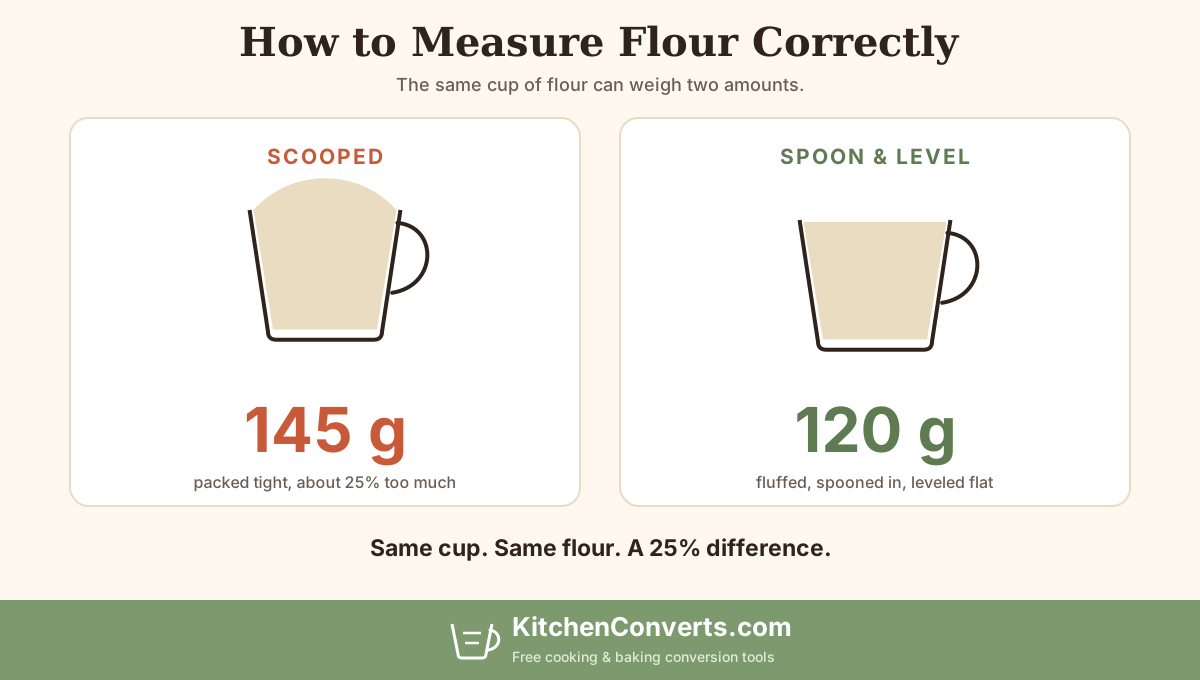
The right way to measure a cup of flour is simple. Fluff the flour in the bag. Spoon it into the cup. Level the top with a knife. Done that way, a cup of all-purpose flour weighs about 120 grams. Pushing the cup straight into the bag (the scoop method) packs in 130 to 145 grams. That is up to 25 percent more flour than the recipe writer wanted, and it is the most common reason a baking recipe turns out wrong. The fix below takes 15 seconds.
Why does flour measurement matter so much?
Two cups of flour from the same bag can weigh 110 grams or 145 grams depending on how you scoop. That is a 30 percent gap in the same recipe. The writer picked one of those numbers when they tested the recipe. If you picked the other, the dough is wetter or drier than they meant, and the bake comes out different.
Flour drives the structure of every baked good. Too much and cookies are dry, muffins are tough, cakes are short, bread is heavy. The other ingredients can hide a small miss, but a 25 percent miss shows up in every bite. This is why bakers obsess over flour and not about, say, salt. Salt has a wide forgiveness window. Flour does not.
How do you measure flour correctly?
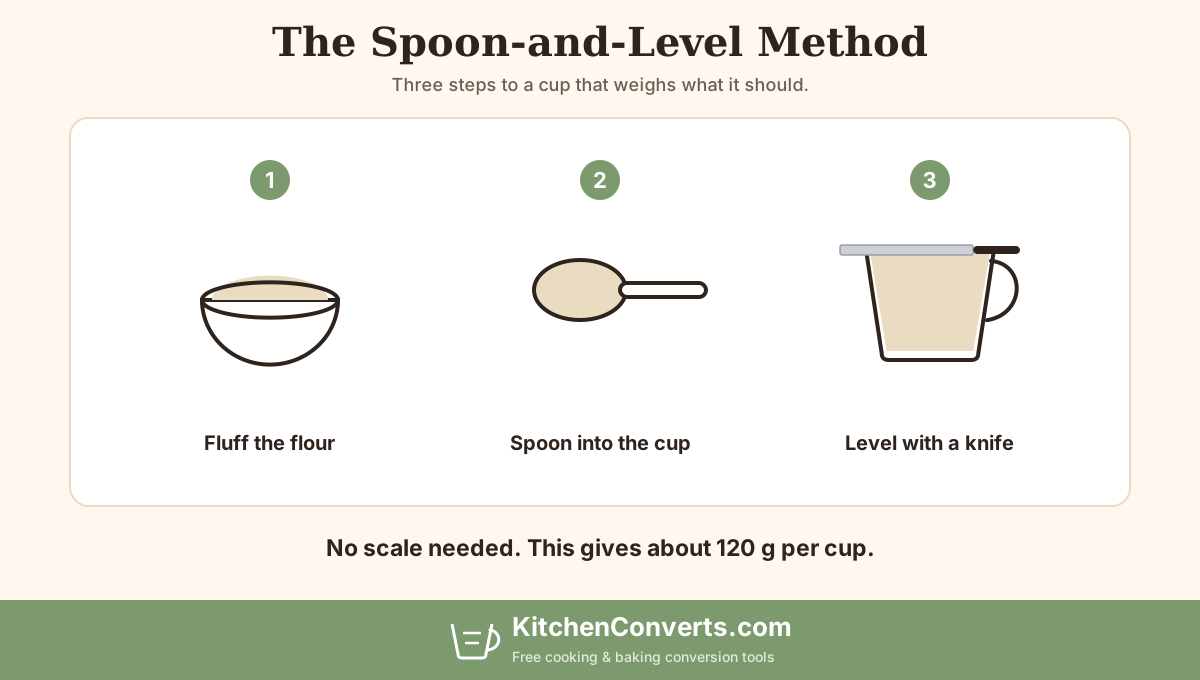
Use the spoon-and-level method. Two steps, takes 15 seconds, gives you 120 grams every time without a scale.
- Fluff the flour in the bag with a spoon or a fork. Flour packs over time. Loosen it up first.
- Spoon the flour into the measuring cup. Do not push the cup into the bag. Heap the cup, then drag the flat side of a knife across the top to level it.
The cup now holds about 120 grams of all-purpose flour, which is the number most American recipes assume. King Arthur Baking, the most-cited US source on ingredient weights, uses 120 grams as the reference value for spoon-and-level flour.
Why does the scoop method add too much flour?
Pushing the measuring cup into the bag packs the flour. Air gets squeezed out, particles slide into the gaps, and the same cup ends up holding 130 to 145 grams instead of 120. That is 10 to 25 grams of extra flour per cup.
In a one-cup recipe, the miss is small but noticeable. In a recipe that calls for three or four cups, you have just added a lot of dry weight the recipe never planned for. And it gets worse from there. The extra flour soaks up liquid that other ingredients were supposed to get. The dough turns drier than the writer wanted. The bake shows it: cookies brown too fast and end up crisp instead of chewy, muffins get tunnels through the middle, cake batter looks thick instead of pourable. One small mistake at the start changes the whole recipe.
If you want the deeper science behind why a cup and a scale can disagree on the same flour, our piece on why scale and cup disagree walks through it.
Should you use a kitchen scale instead?
Yes. A digital kitchen scale is the single best upgrade for home baking, and it costs less than a good set of measuring cups. Once you have one, you will not go back.
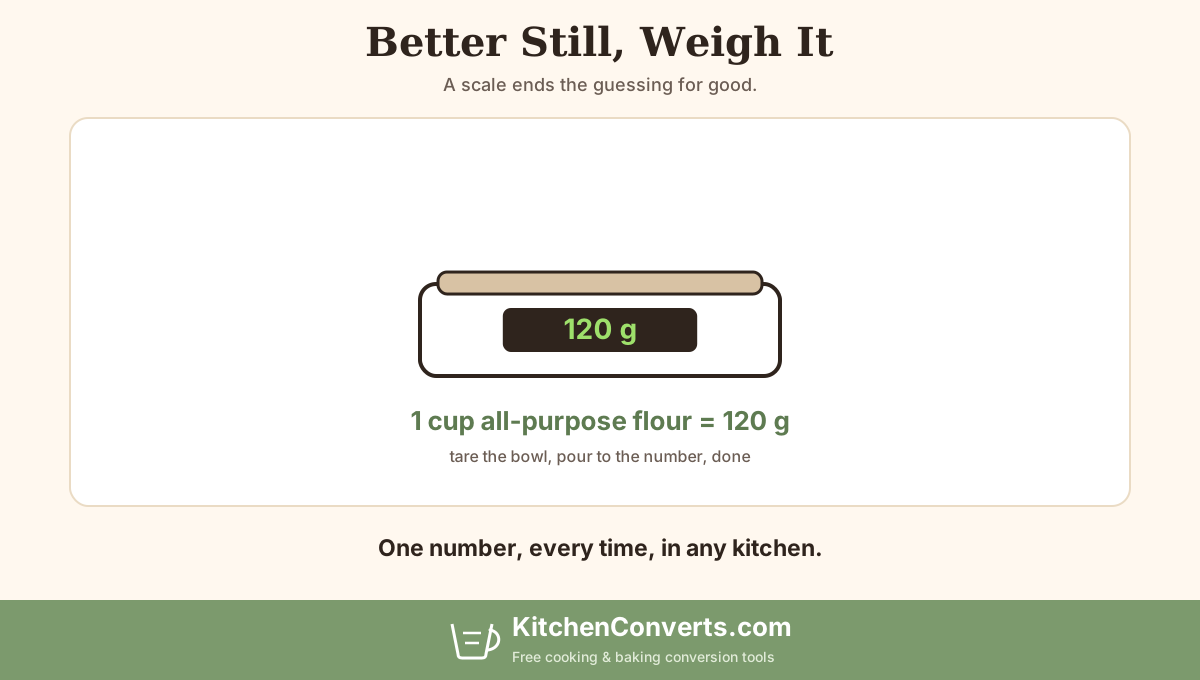
Set your bowl on the scale, hit the tare button to zero out the bowl weight, and pour flour until the display reads 120 grams. That is one cup of all-purpose flour, every time, regardless of how packed the bag is or what the weather is doing. No scooping, no leveling, no guessing.
A scale also scales clean. Doubling a recipe in cups doubles your scoop error. Doubling in grams is one number times two. If you want to halve a recipe with one egg, our recipe scaler handles the math and a scale handles the measurement.
Look for a scale with one-gram resolution and a tare button. Brand does not matter much; a basic digital scale from any major retailer is fine. Avoid mechanical analog scales because they cannot tare and round to roughly 25 grams.
Are all flours the same weight per cup?
No. All-purpose flour weighs about 120 grams per cup. Bread flour packs tighter at 127 grams. Cake flour is lighter at 114 grams. Whole wheat and almond flour break the pattern in their own ways. Different flours are ground in different ways. The grains are bigger or smaller, lighter or denser. That changes how the flour sits in a cup.
Here is the per-cup weight for the most common baking flours, using King Arthur Baking and USDA FoodData reference values:
| Flour type | Grams per US cup | Notes |
|---|---|---|
| All-purpose | 120 g | The most-cited US baseline. Protein 10-12%. |
| Bread flour | 127 g | Denser due to higher protein (12-14%). |
| Cake flour | 114 g | Lighter, finer mill. Protein 7-9%. |
| Pastry flour | 113 g | Between cake and all-purpose. Protein 8-10%. |
| Whole wheat | 113 g | Coarser bran texture, takes more water. |
| Self-rising | 125 g | Slightly higher due to baking powder + salt. |
| Almond flour | 96 g | Much lighter and oilier. Not a wheat substitute 1:1. |
| Coconut flour | 112 g | Very absorbent; recipes use far less than wheat. |
| 00 (pizza) flour | 128 g | Very fine Italian mill, packs tight. |
If your recipe does not say which flour, assume all-purpose. If the recipe is from outside the US, the cup weight may not match. UK and Australian cups are different sizes from US cups, and the same word can mean different amounts. For weights in any flour, our cups-to-grams converter covers all the common ones and lets you switch ingredient on the fly. For metric recipes, our note on reading metric recipes with US cups covers the trickier conversions.
Substituting one flour for another is rarely a clean swap. If a recipe calls for 1 cup of cake flour and you only have all-purpose, the gram weights are close but the protein difference changes how the bake develops gluten. The safer move is to follow the recipe, not the cup.
Does sifting change the weight of flour?
Yes, and the order matters more than most cooks realize. "Sifted flour" and "flour, sifted" mean two different amounts.
Sifting puts air into the flour. The grains separate, the cup loosens up, and it ends up holding 100 to 110 grams instead of 120. That is a 10 to 15 percent drop, which is enough to push a bake off.
Here is the rule. If the recipe says "1 cup sifted flour," sift first, then measure the sifted result. If the recipe says "1 cup flour, sifted," measure first (120 grams), then sift. The first version uses less flour by weight. Our deeper guide on sifted vs unsifted flour covers when the order matters and when it does not.
Modern flour is pre-sifted at the mill. For most home recipes written in the last twenty years, you do not need to sift unless the recipe says to. The exceptions are cake flour and powdered sugar, which lump in storage.
What about humid climates and high altitude?
Both change flour behavior, but neither changes the right way to measure it. The weight per cup target stays at 120 grams; adjust other ingredients instead.
Humidity matters most for home bakers. Flour absorbs water from the air. On a wet summer day, a cup of flour can weigh 5 to 8 grams more than the same flour on a dry winter day. This is small enough that most home recipes are forgiving, but it shows up in bread doughs and pastry. If a normally-reliable bread recipe feels sticky on a humid day, add a tablespoon of flour at a time until the dough handles right.
At high altitudes (above 3,000 feet), the thinner air changes how leaveners like baking soda work. Recipes need a few tweaks. Flour weight does not change. For the altitude adjustments themselves, our high-altitude baking conversions guide covers flour, sugar, liquid, leavening, and oven temperature shifts. For pure oven math, the Fahrenheit to Celsius oven converter handles the temperature side.
What are the most common flour-measuring mistakes?
Five errors that explain most bad bakes:
- Scooping the cup directly into the flour bag. Adds 10-25 grams per cup.
- Tapping or shaking the cup to settle the flour. Packs it further and defeats the purpose.
- Eyeballing "a heaping cup" instead of leveling with a knife. Inconsistent by 5-15 grams.
- Using a liquid measuring cup for flour. Liquid cups are designed for a meniscus, not a level top, so the reading is unreliable.
- Trusting old recipes that say "1 cup of flour" without specifying spoon-and-level. Many pre-1990 American cookbooks assumed scoop-and-level, so "1 cup" in those books meant about 145 grams, not 120.
Quick reference for flour weights
Frequently asked questions
Is 1 cup of flour 125 grams or 120 grams?
Both numbers show up in different sources. King Arthur Baking, the most-cited US reference for ingredient weights, uses 120 grams. Some older charts use 125 or 128. The gap is 4-7 percent, small but real. If your recipe came from King Arthur or a recent US publication, use 120. If it came from an older or European source, check the source's reference or default to 120.
Should I sift flour before measuring?
Only if the recipe explicitly says "sifted flour" before the measurement word. For example, "1 cup sifted flour" means sift first, then measure. If the recipe says "1 cup flour, sifted" with the word AFTER the measurement, measure first and sift after. Most modern recipes use pre-sifted flour and skip the sift entirely.
What if my recipe does not say which method to use?
Assume spoon and level. That is the method King Arthur Baking, the New York Times, and most American food publications use. If the recipe was published before 1990 or in a region that traditionally uses the scoop method, the writer may have meant scoop-and-level, which gives a tighter cup around 140 grams. When in doubt, weigh the flour.
How do I convert a recipe from cups to grams?
Multiply the cup count by the per-cup weight of the flour. For all-purpose flour, multiply by 120. So 2 cups equals 240 grams, and 1.5 cups equals 180 grams. Our cups-to-grams converter does this automatically with the right per-ingredient weight built in, and the matching grams-to-cups converter goes the other way if you have a recipe in metric.
What about almond flour, coconut flour, or other specialty flours?
Almond flour weighs about 96 grams per cup. Coconut flour weighs about 112 grams per cup. These flours absorb water differently than wheat flour, so they are rarely a 1:1 substitute in a recipe. Always follow the specialty flour's own recipe or a tested conversion guide.
Does the brand of flour matter for measuring?
Slightly. Different brands mill their flour to slightly different particle sizes, which changes how it packs in a cup. King Arthur, Gold Medal, Pillsbury, and Bob's Red Mill all-purpose flours land within a few grams of each other per cup. For most home baking, the brand difference is smaller than the scoop-vs-spoon difference, so the measuring method matters more than the brand.
Type the cups, get the grams. All-purpose, bread, cake, whole wheat, almond, coconut, and more. Built for cooks who would rather not memorize a table.
Sources
Related posts
- Sifted vs Unsifted Flour: The Weight Gap That Breaks Bakes
One cup of sifted flour weighs about 110 grams. The same cup unsifted weighs 142 grams. That 25 percent gap is the difference between a tender cake and a tough one.
- Why Bakers Weigh Ingredients Instead of Using Cups
A measuring cup of flour can swing 10 to 25 percent by weight. Why bakers weigh ingredients, which foods need it most, and when a cup is good enough.
- High-Altitude Baking: How Cup and Gram Conversions Change Above 3,000 Feet
Above 3,000 feet, the same recipe that worked at sea level falls flat, runs over the pan, or comes out dry. Lower air pressure changes how flour behaves, how leavening works, and how liquids evaporate. Here is exactly what to change and by how much.
- Why Your Kitchen Scale and Measuring Cup Disagree
You measured 1 cup of flour, then weighed it. The scale showed 145 grams. Your recipe wanted 120. Both tools are right. The cup just held more than the recipe expected.
¿Leer en español? Ver esta publicación.