May 11, 2026 · Scott Richey · 5 min read
How to Read a Metric Recipe When You Only Have US Cups
You found a perfect French tart recipe. The flour amount is 250 grams. The butter is 200 grams. The oven says 180°C. None of those numbers match what you have in your kitchen. A few simple conversions get you to a US-cup recipe you can actually follow.
The five conversions that cover most recipes
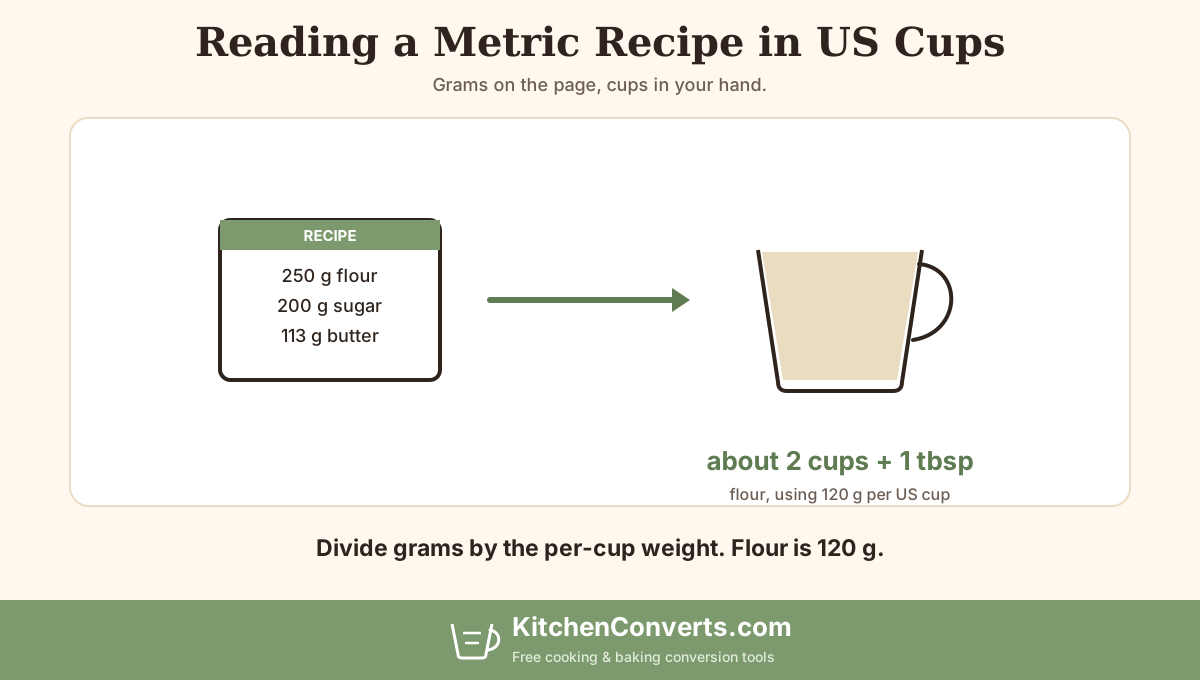
- Flour: 120 grams = 1 US cup. So 250 g flour ÷ 120 = about 2 cups plus 1 tablespoon.
- Sugar: 200 grams = 1 US cup. So 100 g sugar = 1/2 cup. So 250 g sugar = 1 1/4 cups.
- Butter: 113 grams = 1 US stick (1/2 cup). So 200 g butter = about 1 3/4 sticks, or 7/8 cup.
- Oven: 180°C = 350°F. 200°C = 400°F. 220°C = 425°F. (Formula: C × 1.8 + 32 = F.)
- Volume: 1 US cup = 237 ml. 1 tablespoon = 15 ml. 1 teaspoon = 5 ml.
Liquids are easier than solids
Milliliters are space, and so are cups. The conversion is fixed for all liquids:
- 60 ml = 1/4 cup
- 120 ml = 1/2 cup
- 180 ml = 3/4 cup
- 240 ml = 1 cup (rounded; actual 237 ml)
- 500 ml = 2 cups plus a hair
- 1 liter = 4 cups plus a hair
Solids are trickier
Grams measure weight. Cups measure space. Each food has its own weight per cup:
- All-purpose flour: 120 g per cup
- Bread flour: 127 g per cup
- White sugar: 200 g per cup
- Brown sugar (packed): 213 g per cup
- Butter: 227 g per cup (2 sticks)
- Rolled oats: 90 g per cup
- Cocoa powder: 85 g per cup
- Honey: 336 g per cup
When the recipe says "metric cup"
An Australian or Canadian "1 cup" is 250 ml, not the US 237 ml. That is a 6 percent gap. For 1 metric cup, use 1 US cup plus 1 tablespoon. The math: 1 US cup (237 ml) + 1 tbsp (15 ml) = 252 ml, close enough to 250.
Oven temperature shortcuts
- 150°C = 300°F (low)
- 160°C = 325°F (low)
- 175°C = 350°F (most baking)
- 180°C = 350°F (close enough)
- 190°C = 375°F
- 200°C = 400°F
- 220°C = 425°F
- 230°C = 450°F
When in doubt, weigh
A digital kitchen scale ends the question for solids. The recipe says 250 grams of flour, you put 250 grams of flour on the scale, done. No cup confusion, no math, no calculator needed. A simple scale costs less than a set of measuring cups and lasts 10 years.
Quick liquid conversions between metric and US cups.
Sources
Related posts
- Imperial Cup vs Metric Cup vs US Cup: Which Does Your Recipe Mean?
There are at least three cup sizes in cooking. US 236.59 ml. Metric 250 ml. Imperial 284 ml. Here is how to spot which one your recipe wants.
- The 250 ml Cup Is Not the US Cup (Australian Recipe Gotcha)
An Australian metric cup is 250 ml. A US cup is 236.59 ml. The 6 percent gap can ruin a small-batch cake. Here is what to watch for.
- How to Measure Flour Correctly (Spoon and Level, Not Scoop)
Spoon and level for 120 grams per cup. Scooping packs in up to 25% more flour and throws a recipe off. How to measure flour by cup or by scale.
- Why Bakers Weigh Ingredients Instead of Using Cups
A measuring cup of flour can swing 10 to 25 percent by weight. Why bakers weigh ingredients, which foods need it most, and when a cup is good enough.
¿Leer en español? Ver esta publicación.