
Apr 10, 2026 · Scott Richey · 5 min read
Sifted vs Unsifted Flour: The Weight Gap That Breaks Bakes
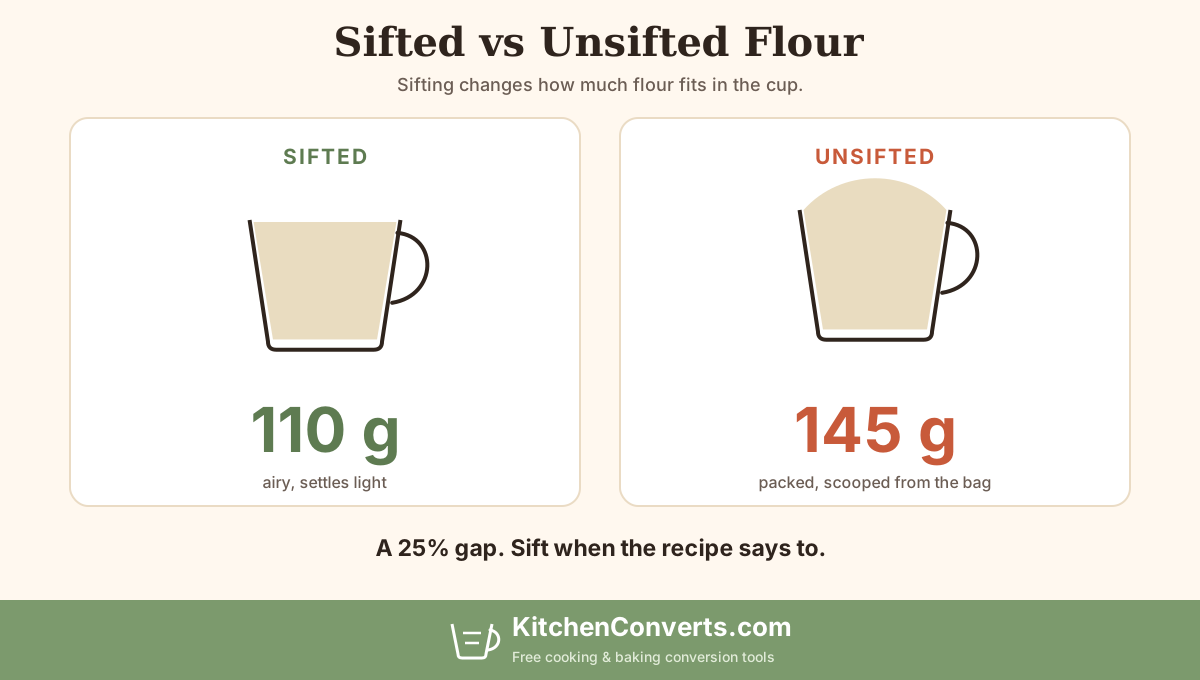
You measure 1 cup of flour. Your friend measures 1 cup. The two cups can weigh 30 grams apart. That gap shows up in your cake, your cookies, and your bread. The biggest reason: one of you sifted, and one of you did not.
Why sifting makes such a big difference
Flour packs over time. The bag is full of air when it's milled, but settling, shipping, and sitting on a shelf push the grains closer together. A scoop into that packed bag gives you a denser cup than the recipe writer used.
Sifting fluffs the flour back up. Air goes between the grains, and the same cup holds less flour by weight. The cup still looks full, but you have 25 percent less flour inside it.
The order of words in your recipe matters
Two phrases look almost the same but mean different things:
- "1 cup sifted flour" means sift the flour first, then measure 1 cup. You end up with about 110 grams.
- "1 cup flour, sifted" means measure 1 cup first, then sift it. You end up with about 120 to 125 grams.
The comma is doing real work. Most modern recipes have moved away from this language because of how often readers miss it. If you see either phrase, the safer bet is to weigh.
When to sift and when to skip it
Sift when the recipe says to sift. Sift when you are combining cocoa powder, powdered sugar, or baking soda with flour and want them to mix evenly. Sift when you want extra-tender cakes or sponge cakes where air matters more than ratio.
Skip sifting for most cookies, muffins, quick breads, and any recipe that gives weights in grams. If you weigh, the cup size does not matter, and neither does the sift order.
The simplest fix: weigh, do not sift
A digital kitchen scale ends the question. The recipe says 120 grams of flour, you put 120 grams on the scale, sifted or not. The same number, every time. Sifting becomes a step you do for texture, not for measurement.
Type cups, get grams for AP, bread, cake, and whole wheat flour.
Sources
Related posts
- How to Measure Flour Correctly (Spoon and Level, Not Scoop)
Spoon and level for 120 grams per cup. Scooping packs in up to 25% more flour and throws a recipe off. How to measure flour by cup or by scale.
- High-Altitude Baking: How Cup and Gram Conversions Change Above 3,000 Feet
Above 3,000 feet, the same recipe that worked at sea level falls flat, runs over the pan, or comes out dry. Lower air pressure changes how flour behaves, how leavening works, and how liquids evaporate. Here is exactly what to change and by how much.
- Why Your Kitchen Scale and Measuring Cup Disagree
You measured 1 cup of flour, then weighed it. The scale showed 145 grams. Your recipe wanted 120. Both tools are right. The cup just held more than the recipe expected.
- How to Measure Sticky Honey Without Losing Half in the Cup
Honey clings to the cup. You can lose 10 percent before it makes it into your bowl. A thin oil coating fixes it. Weighing fixes it better.
¿Leer en español? Ver esta publicación.