Apr 17, 2026 · Scott Richey · 4 min read
The 250 ml Cup Is Not the US Cup (Australian Recipe Gotcha)
You pulled a great recipe off a food blog. The pavlova or the lamingtons look perfect. You measure 1 cup of sugar. The recipe is from Sydney. Your cup is from Target. The result is sweeter or drier than the photo. The cups are not the same size.
Where each cup is used
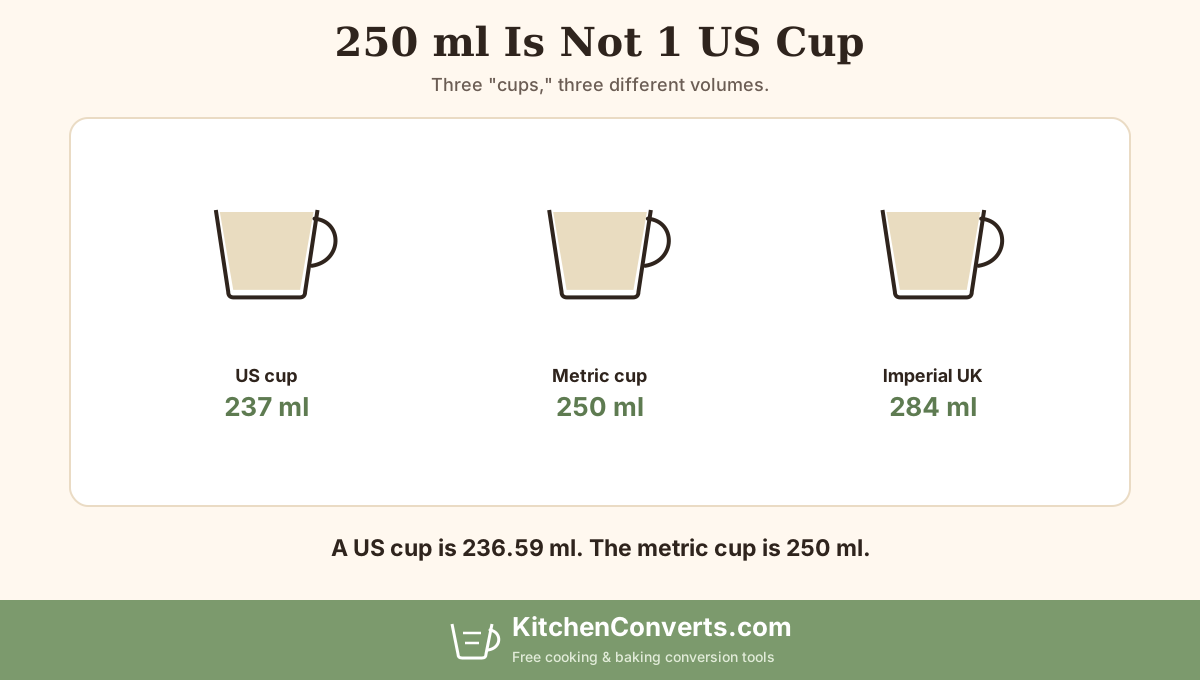
- United States: 236.59 ml. Often rounded to 240 ml in cookbooks.
- Australia: 250 ml metric cup, with a 20 ml tablespoon (4 teaspoons, not 3).
- Canada: 250 ml metric cup; older Canadian recipes may use 227 ml (the old British cup).
- New Zealand: 250 ml metric cup.
- United Kingdom: most modern UK recipes use grams; old imperial cup was 284 ml.
- Japan: 200 ml rice cup, separate from the cooking cup.
When 6 percent matters
For everyday cooking, the 6 percent gap between US and metric cups disappears in the pot. Soups, stews, stir-fries: a little more or less broth changes nothing.
For baking, 6 percent shows up. A doubled recipe with that gap adds up to 12 percent extra flour or sugar. Cookies spread differently. Cakes brown faster. Bread proofs slower. The math compounds.
How to tell which cup the recipe used
- Recipes that also list grams: trust the grams. Skip the cup question entirely.
- Recipes from .com.au, .co.nz, or .ca domains: 250 ml metric cup.
- Recipes from US cookbooks, US food blogs, or US TV shows: 236.59 ml.
- Old British cookbooks (pre-1971): imperial cup. Convert with care.
Easy conversions if the recipe is metric
If your recipe says 1 metric cup and you only have US cups, you have two options:
- Use 1 US cup plus 1 tablespoon. That is 251 ml, close enough.
- Use the milliliters directly. A liquid measuring cup with metric markings makes it easy: 250 ml on the side of the cup, no math.
The fix that ends all cup arguments
Weigh the dry ingredients. The flour does not care which country's cup you have. 120 grams is 120 grams in Sydney, Toronto, or Texas. A digital kitchen scale is the one tool that crosses all borders.
Convert any cup size to milliliters, with the metric and imperial gap.
Sources
Related posts
- High-Altitude Baking: How Cup and Gram Conversions Change Above 3,000 Feet
Above 3,000 feet, the same recipe that worked at sea level falls flat, runs over the pan, or comes out dry. Lower air pressure changes how flour behaves, how leavening works, and how liquids evaporate. Here is exactly what to change and by how much.
- Why Your Kitchen Scale and Measuring Cup Disagree
You measured 1 cup of flour, then weighed it. The scale showed 145 grams. Your recipe wanted 120. Both tools are right. The cup just held more than the recipe expected.
- How to Read a Metric Recipe When You Only Have US Cups
European and Australian recipes give grams and milliliters. US cookware gives cups and tablespoons. Here is the cheat sheet to translate without ruining the recipe.
- How to Measure Sticky Honey Without Losing Half in the Cup
Honey clings to the cup. You can lose 10 percent before it makes it into your bowl. A thin oil coating fixes it. Weighing fixes it better.
¿Leer en español? Ver esta publicación.